All twelve, in the order of the circuit
Each one opens the full telling: who is in it, how it goes, where the versions differ, and what of it you can still see at the shrine.
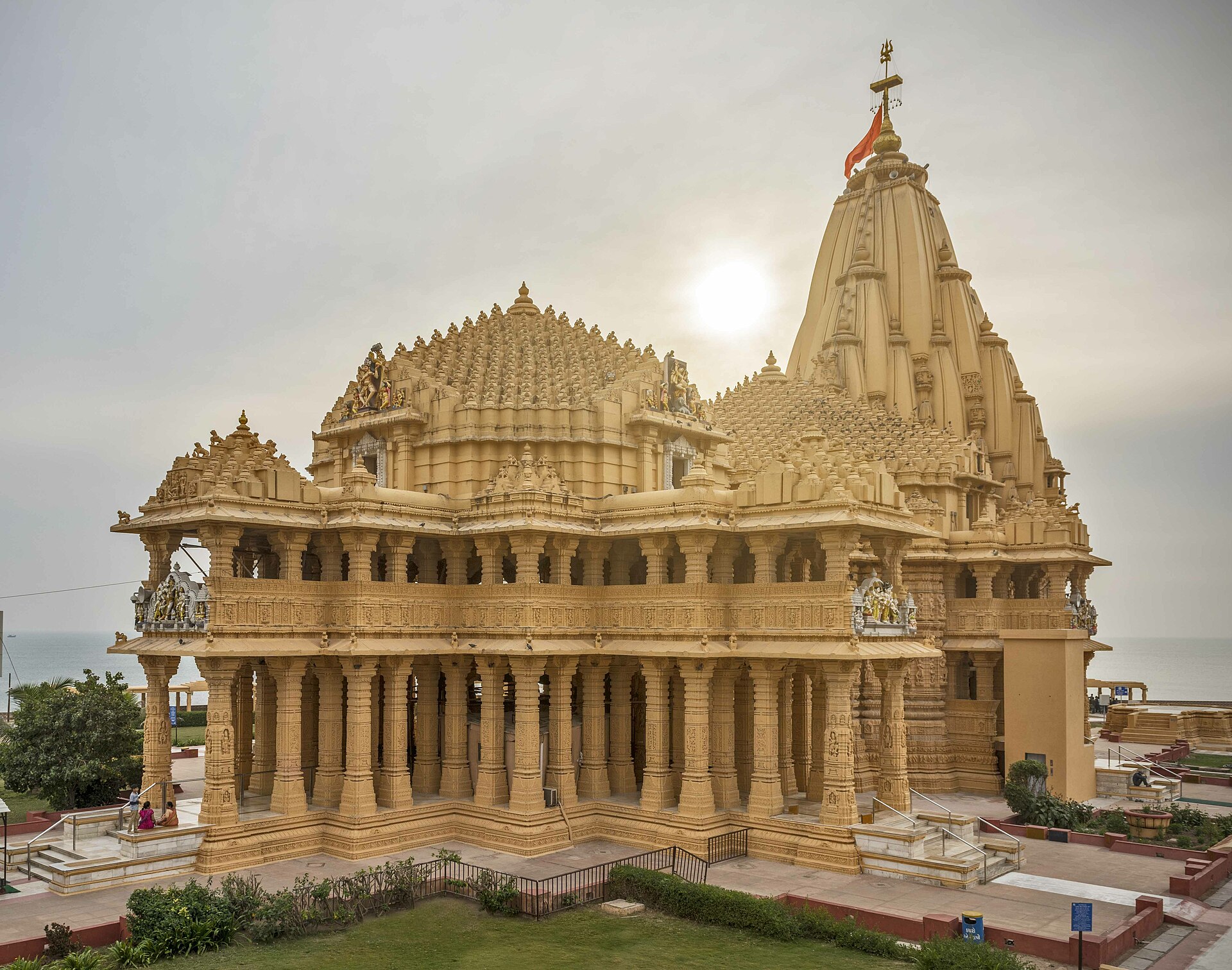 01The curse on the moonSomnath · Prabhas Patan, VeravalChandra, the moon, was cursed to waste away for loving one wife above the other twenty-six. He came to this shore to beg for it to be lifted, and what he got instead is the reason the moon still thins and fills every month.Read the story →
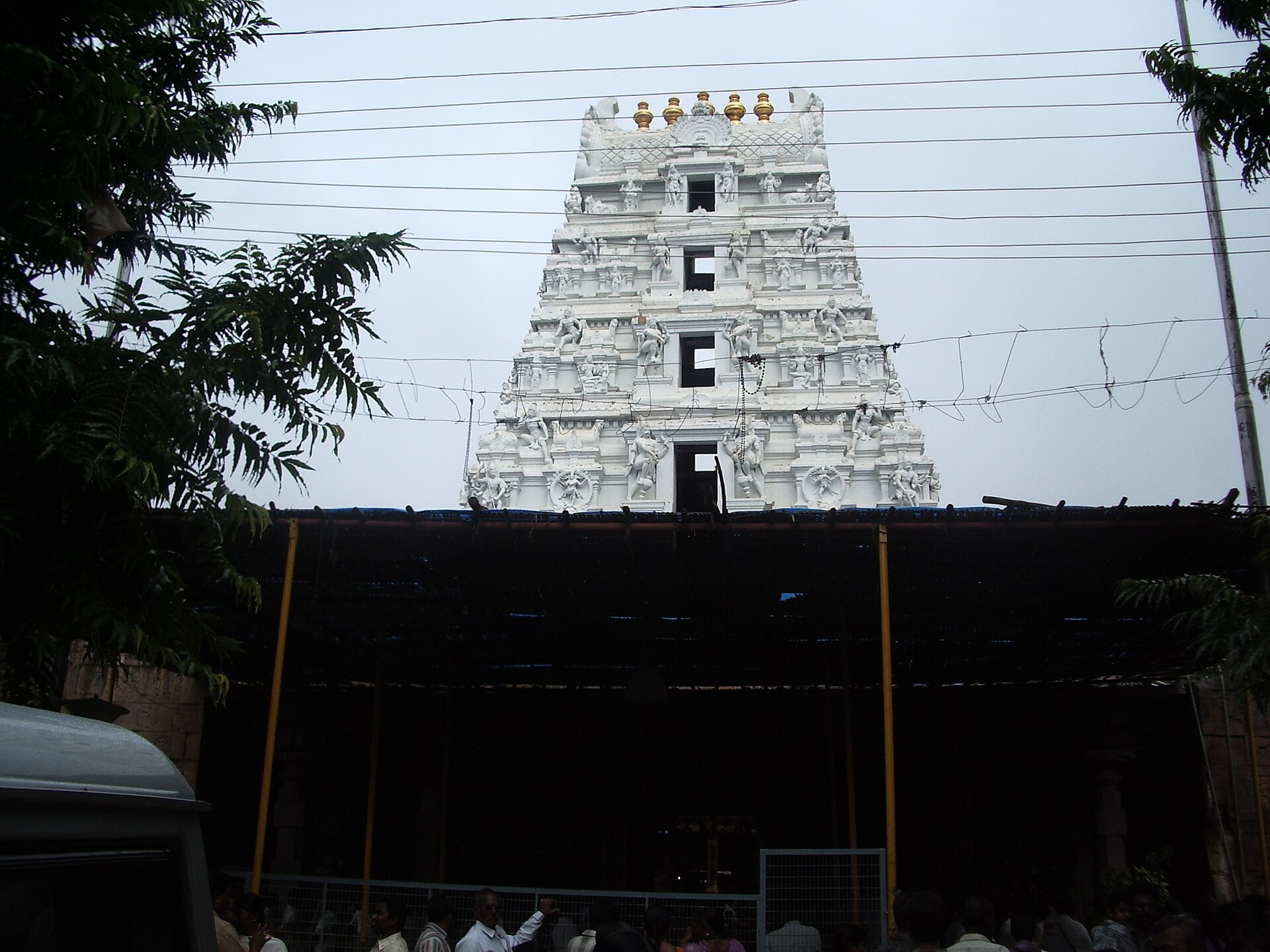 02The son who walked awayMallikarjuna · Srisailam, Nallamala HillsA contest between two brothers was decided on a technicality, and the one who lost left home and would not come back. His parents came after him. They are still on the hill.Read the story →
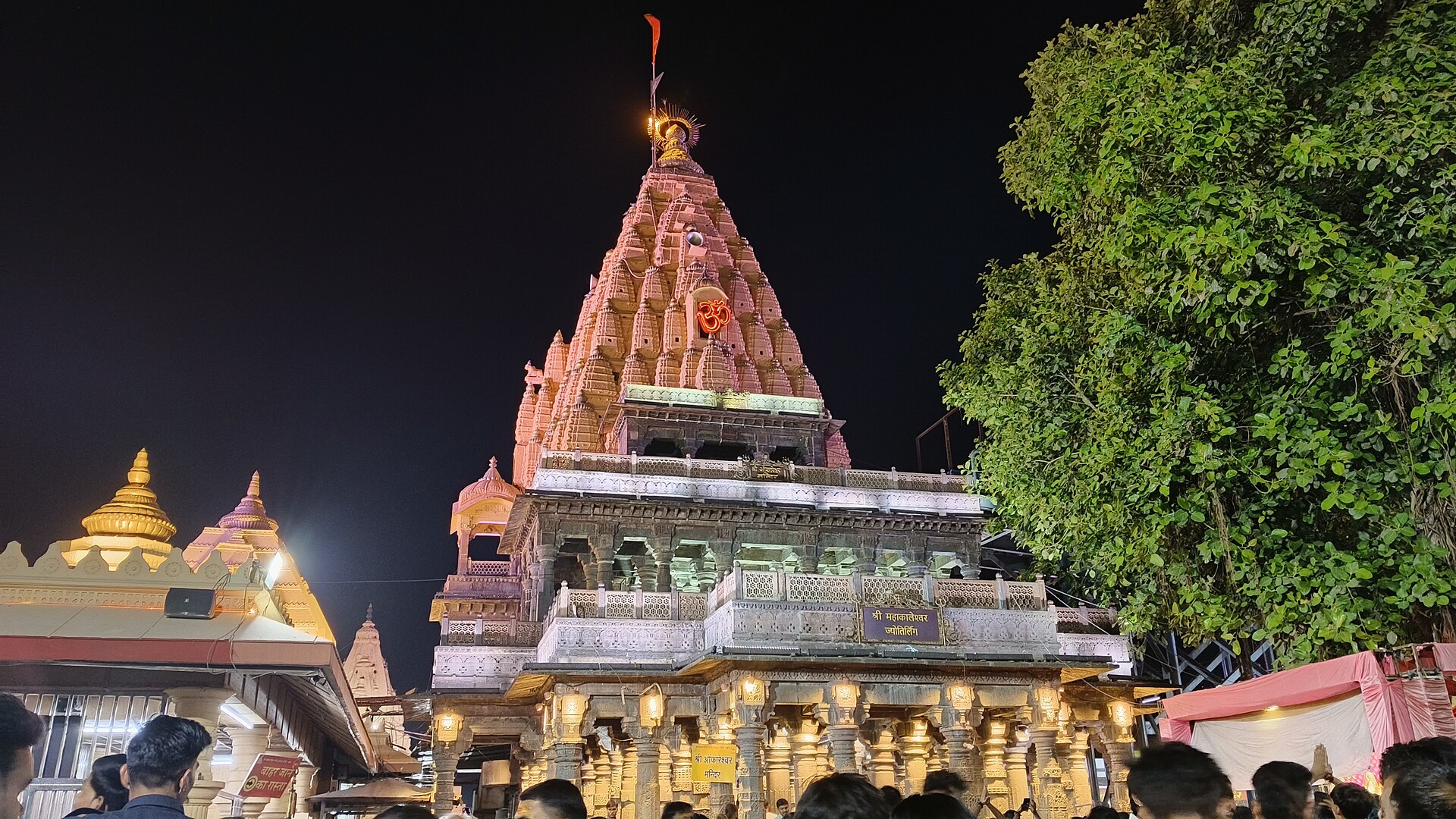 03Lord of time, facing southMahakaleshwar · Ujjain, on the ShipraA demon who could not be seen attacked a city that would not stop praying, and Shiva came up through the floor of the world to end him. What is left is the only one of the twelve that faces the direction of death.Read the story →
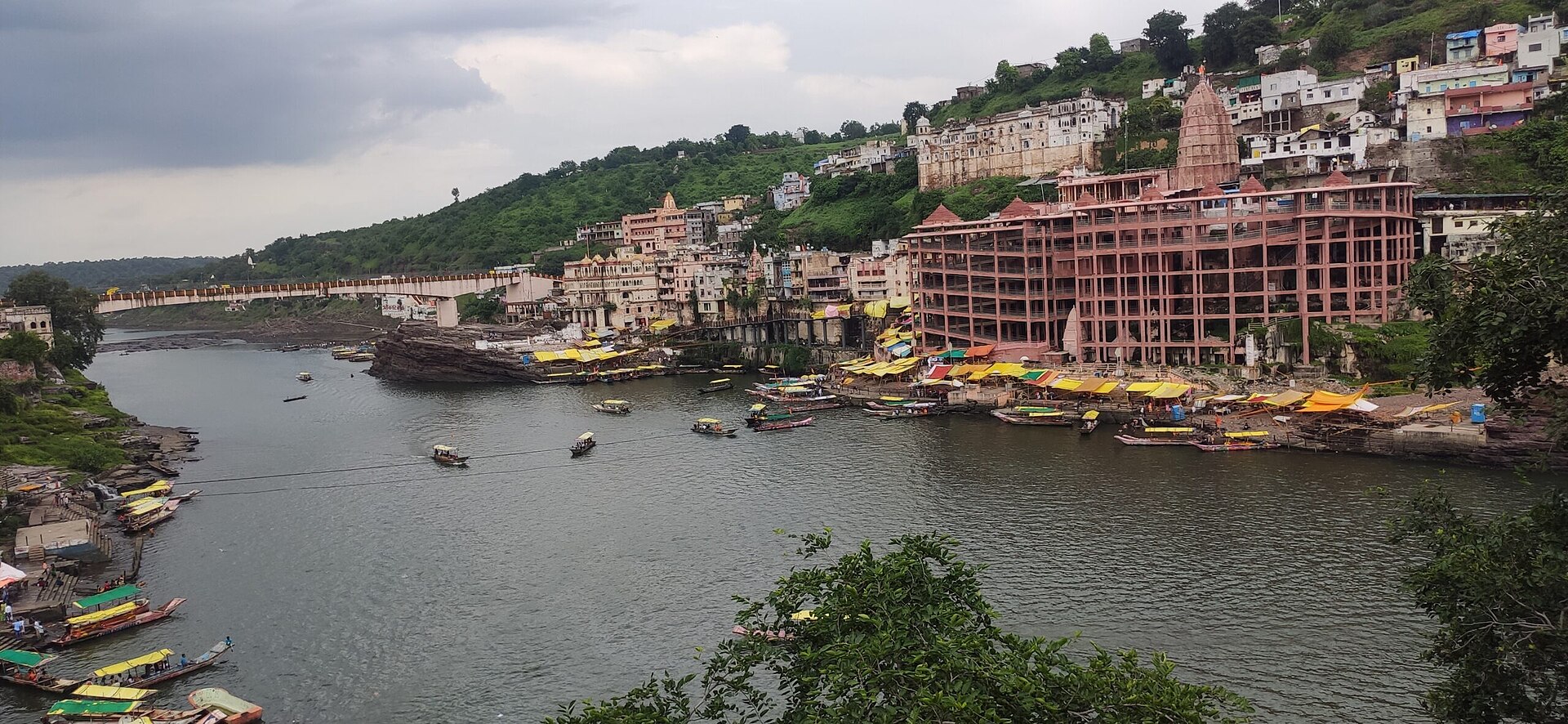 04The mountain that bowedOmkareshwar · Mandhata Island, NarmadaA mountain with an inferiority complex did penance until it got a boon, used the boon badly, and was stopped by a sage with a sentence. The shrine it left behind is split across a river and the argument over which half is the jyotirlinga has never been settled.Read the story →
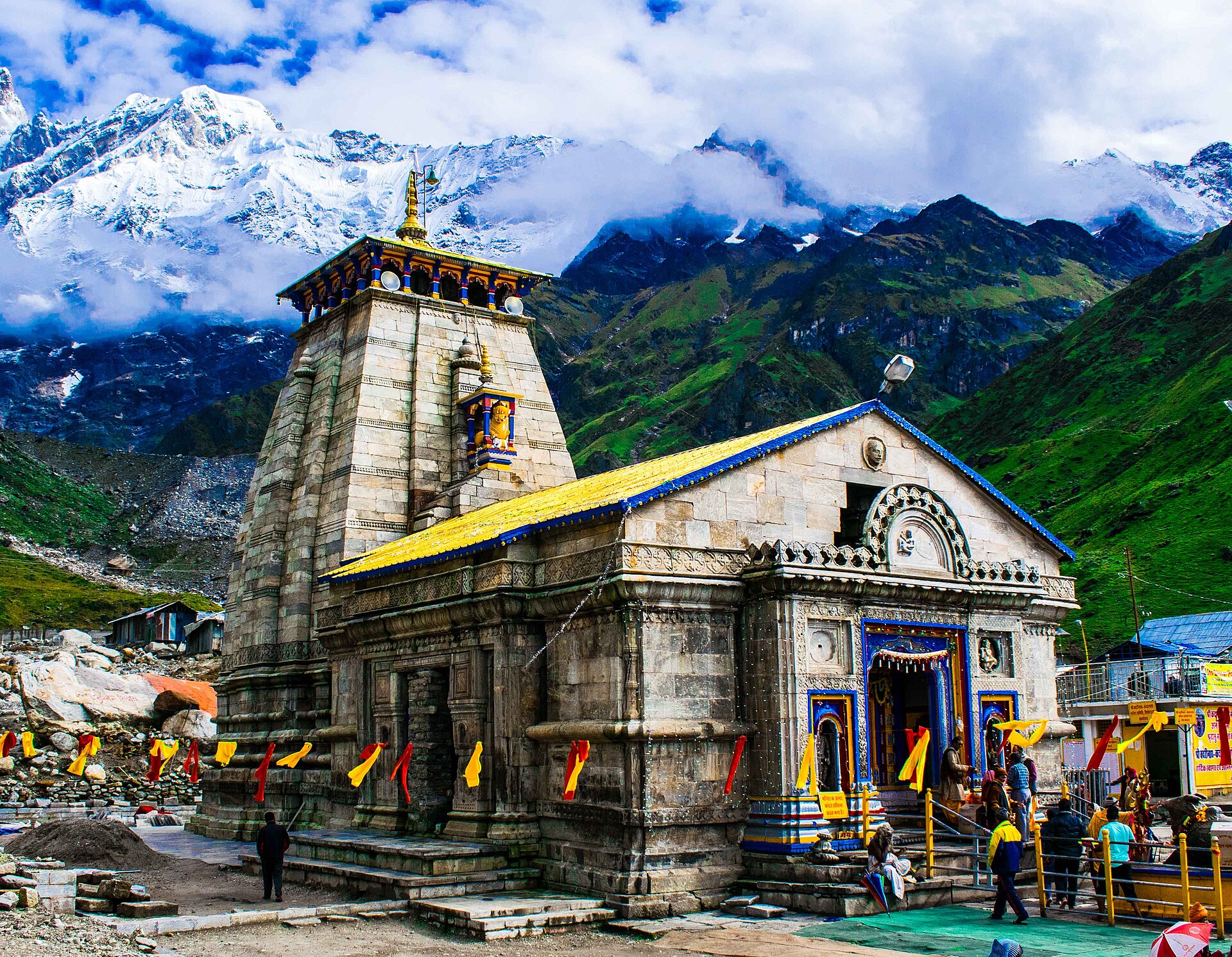 05The bull that would not look backKedarnath · Kedarnath, RudraprayagFive brothers came to the Himalaya to be forgiven for a war they had won. Shiva did not want to forgive them, hid in a herd of cattle, and went into the ground when he was recognised. The hump stayed above the surface.Read the story →
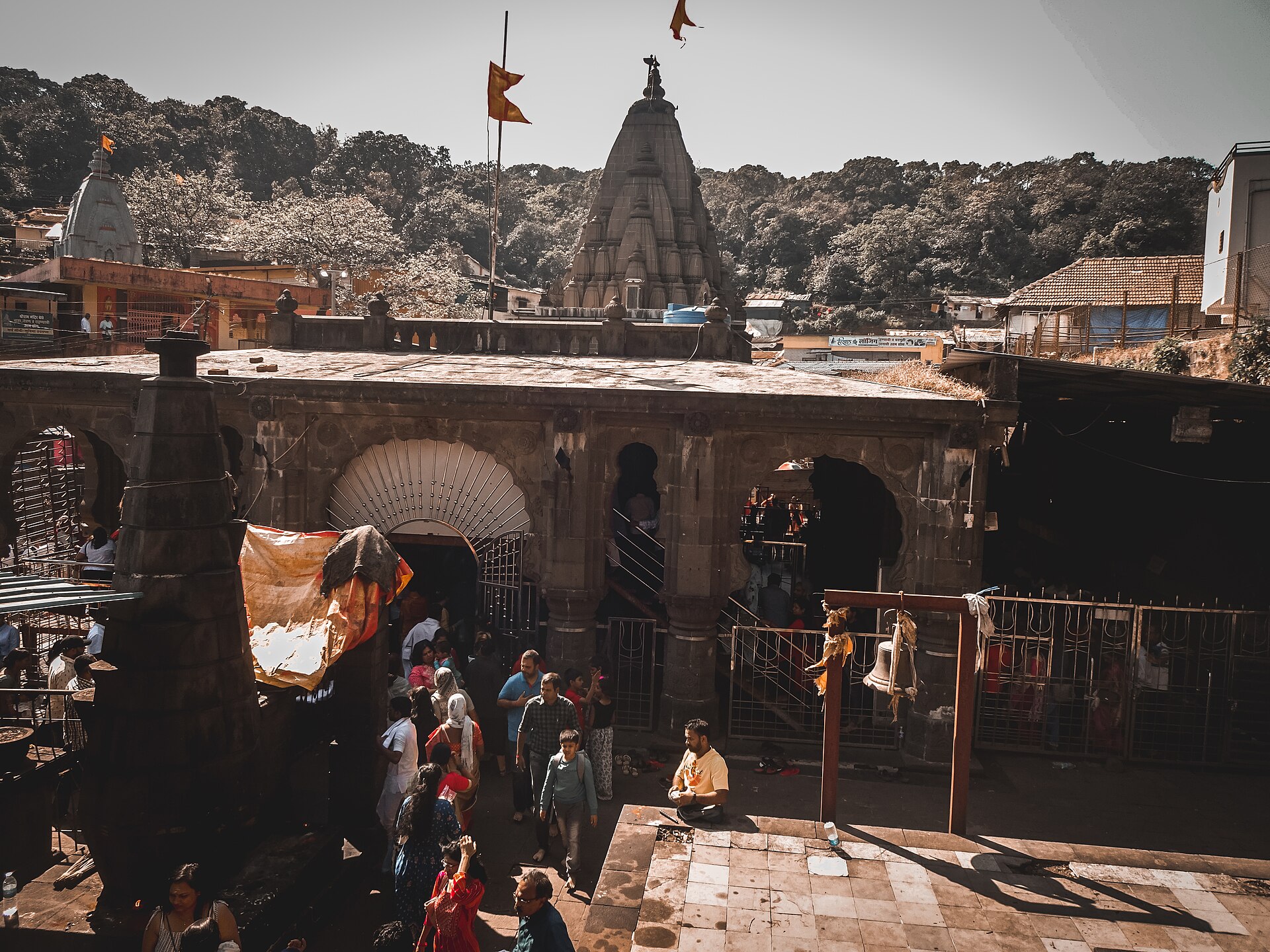 06The son of KumbhakarnaBhimashankar · Khed, Sahyadri HillsA boy grew up in the Sahyadri without being told who his father was or how he died. When his mother finally told him, he spent a thousand years preparing to settle it, and took it out on the wrong person.Read the story →
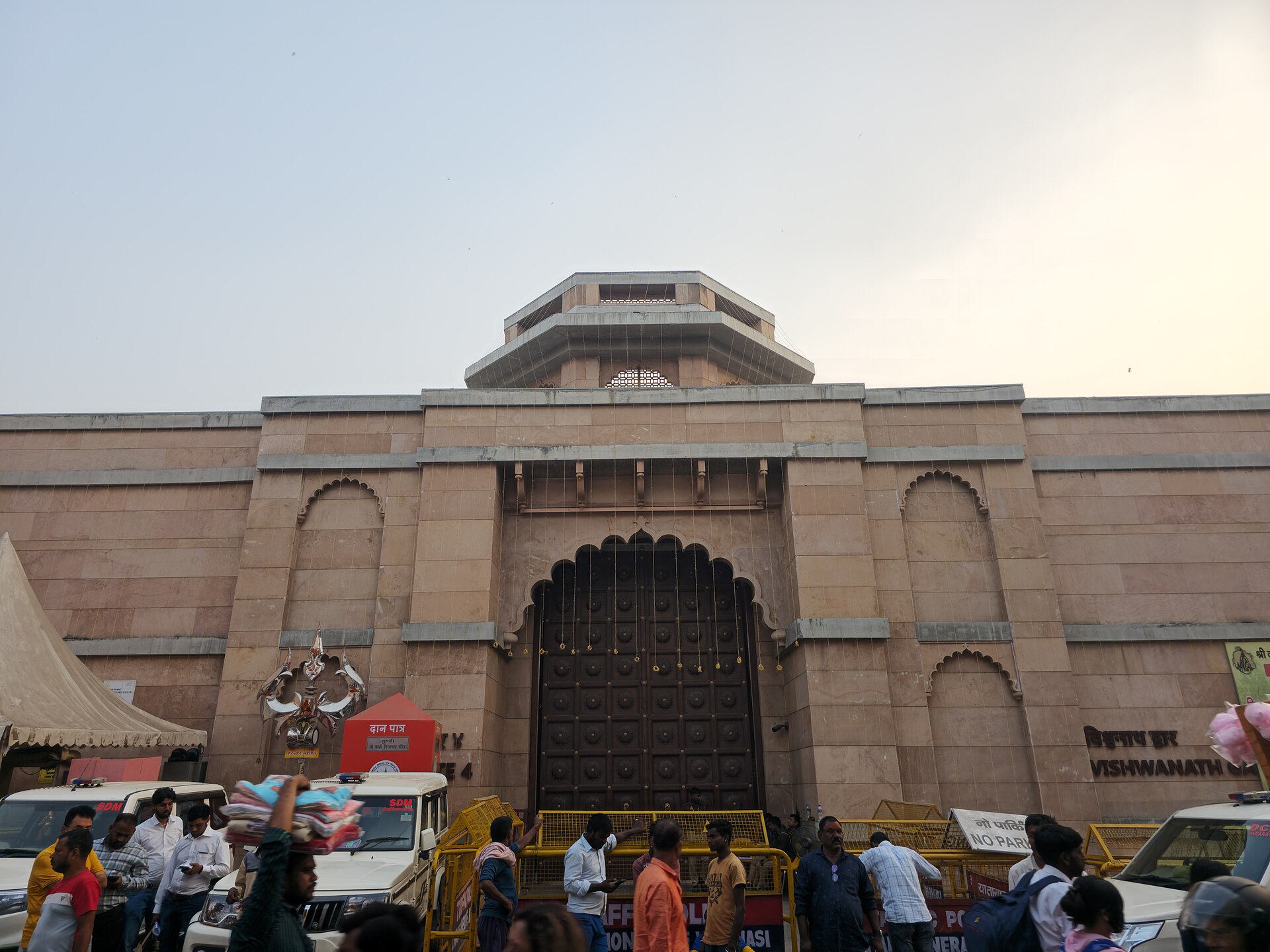 07The city Shiva would not leaveKashi Vishwanath · Varanasi, on the GangaShiva was asked to vacate his own city for one lifetime so that a king could rule it. Everyone he sent to find fault with that king liked the place too much to come back, and the ones he sent are still there.Read the story →
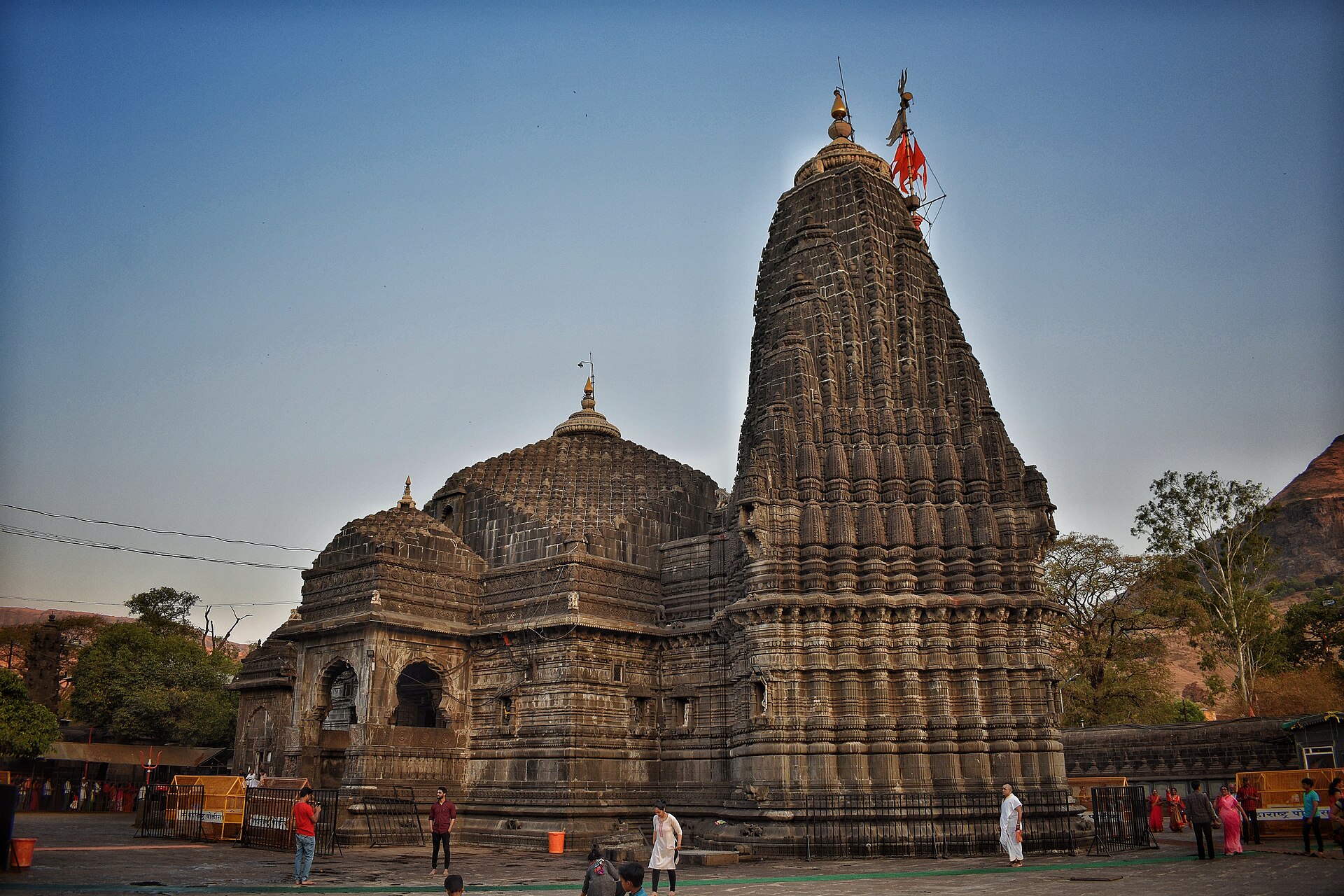 08The sin that was arrangedTrimbakeshwar · Trimbak, near NashikA sage fed every other sage through a famine, and they repaid him by arranging for him to kill a cow. Clearing his name took a thousand years of penance and produced the Godavari.Read the story →
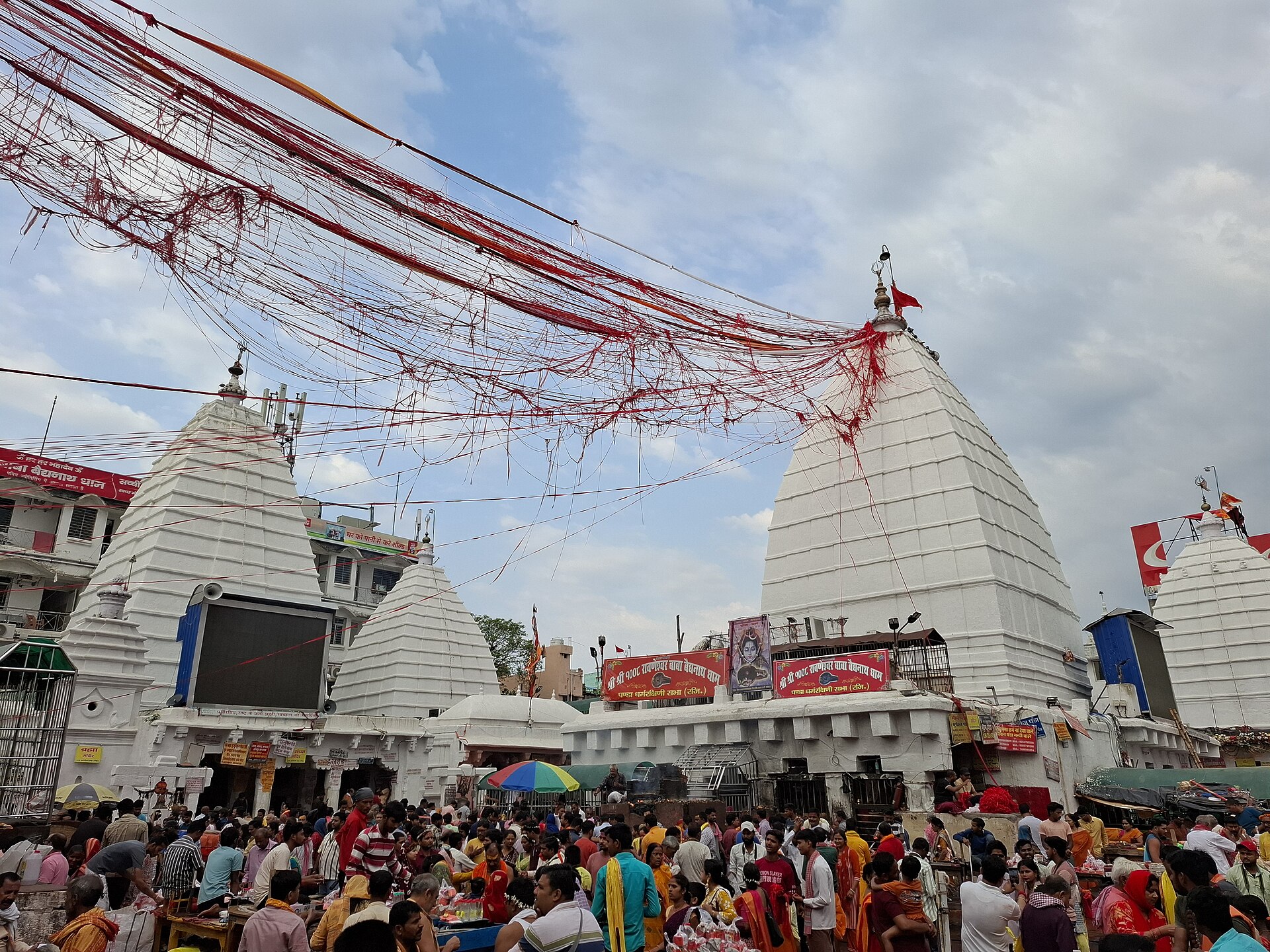 09What was set down could not be liftedVaidyanath · Deoghar (Baba Baidyanath Dham)Ravana offered his own heads into a fire until Shiva agreed to come to Lanka with him. The condition was that he not put the lingam down on the way. He was tricked into putting it down here.Read the story →
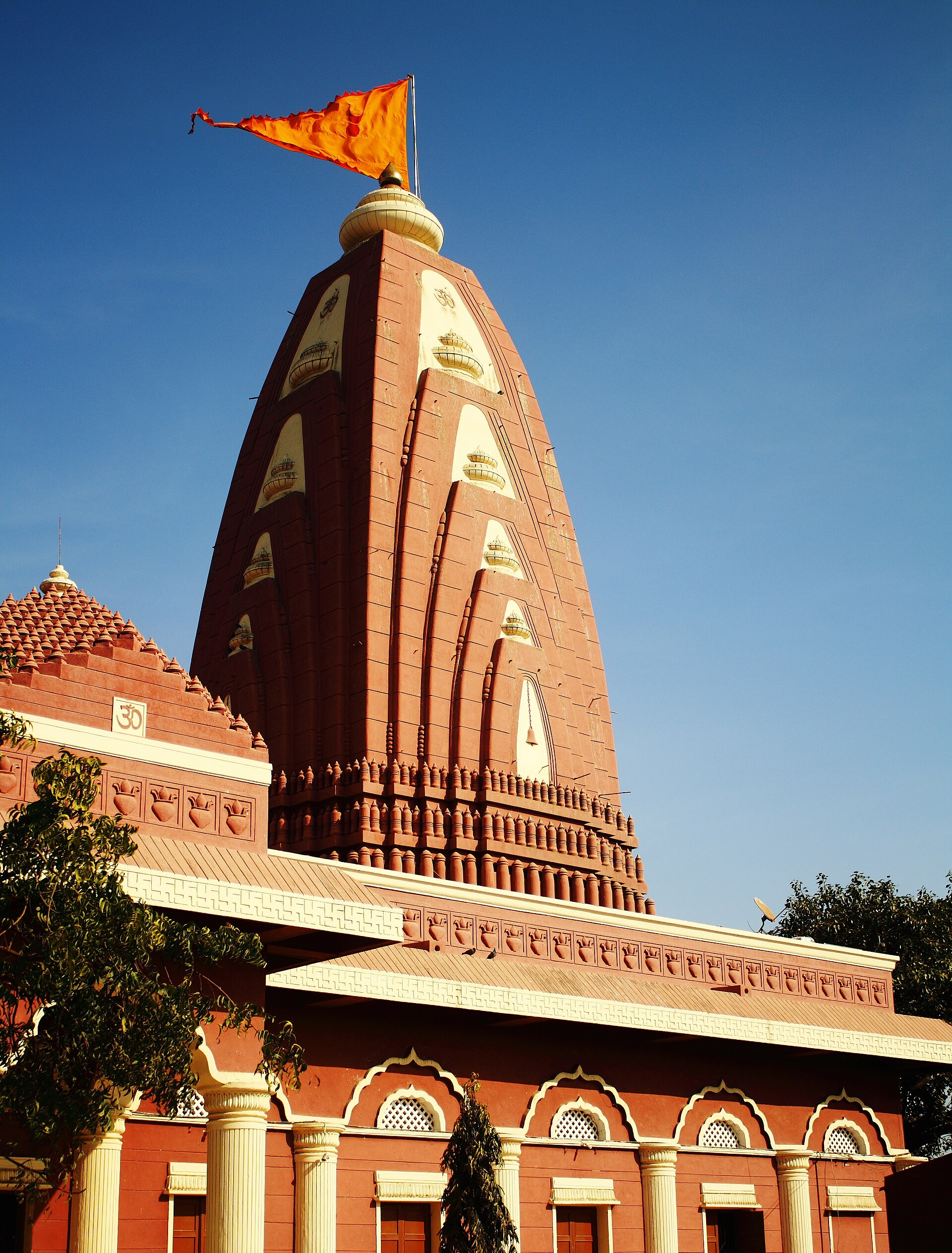 10The prayer said in the cellNageshwar · Between Dwarka and Bet DwarkaA merchant was taken at sea by a demon who had made a forest into a prison. He kept praying in the cell, taught the other prisoners to, and the weapon that answered came up through the floor.Read the story →
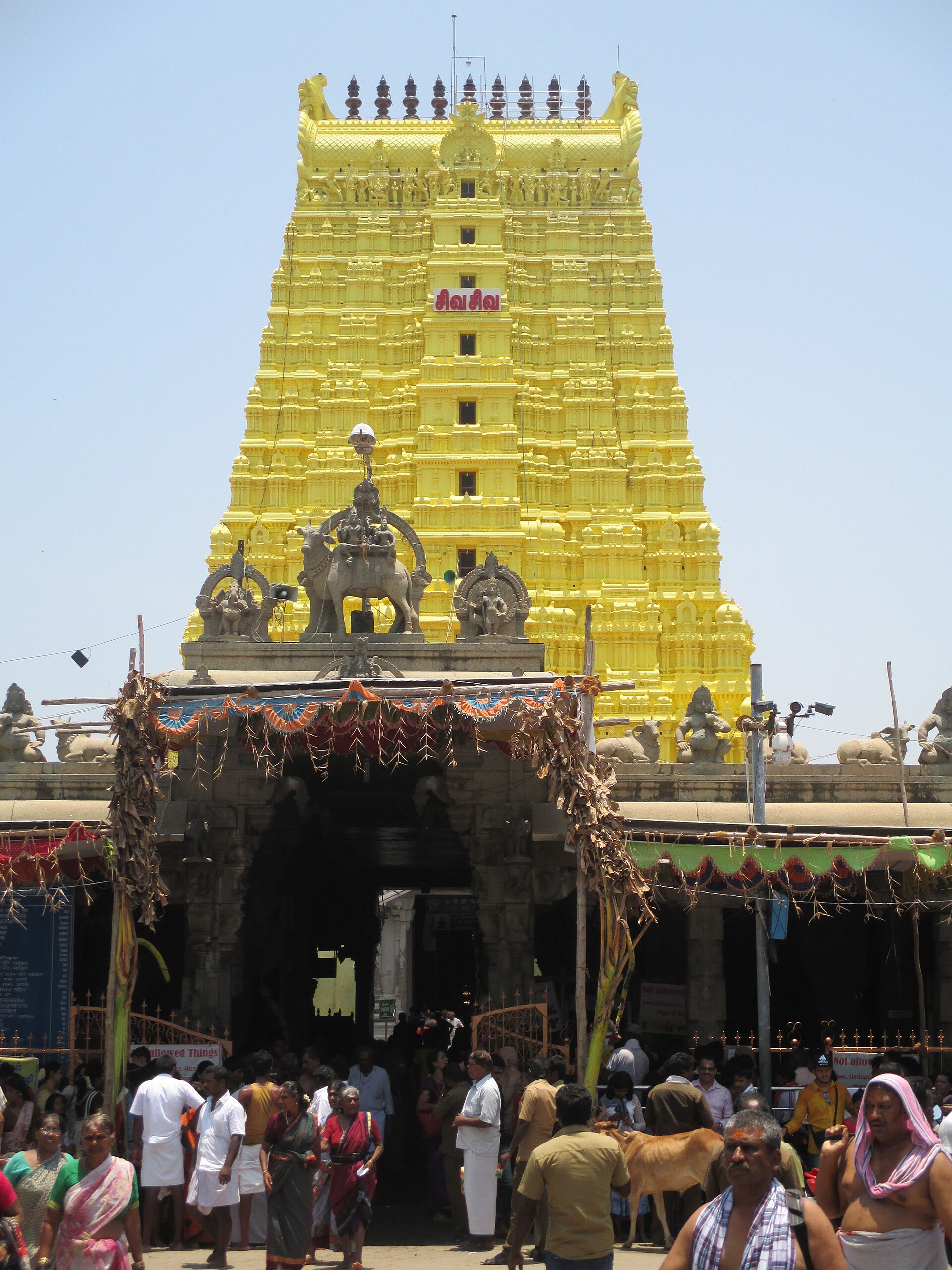 11The sin of the victoryRamanathaswamy · Rameswaram, Pamban IslandRama killed Ravana and won, and the killing of a brahmin attached to him anyway. He could not go home until it was cleared, so Shiva was brought to the shore — twice, by two different people, and both are worshipped.Read the story →
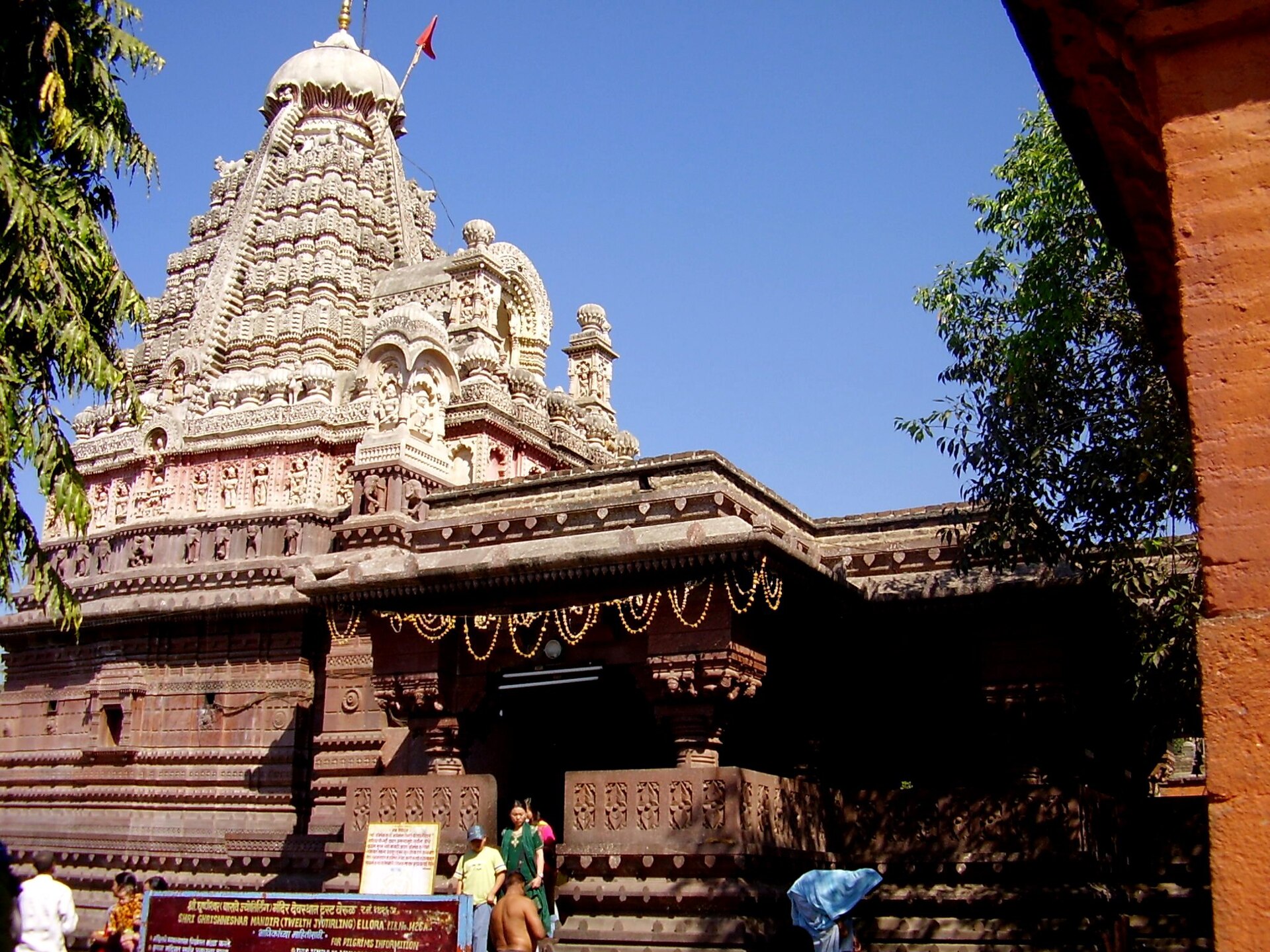 12The lake that gave him backGrishneshwar · Verul, beside ElloraA woman made a hundred and one clay lingams a day and put them in a lake. Her sister murdered her son out of jealousy. She went on with the lingams, and when she was asked what punishment she wanted, she asked for her sister to be spared.Read the story →