Lord Shiva Images: Forms, Meanings and Free Use
Lord Shiva images sorted by form, with a line on what each shows, which free sources let you use them, and the size for a phone or WhatsApp status.
Lord Shiva images: pick the form first
In short: Lord Shiva images fall into five forms, from Nataraja to the lingam. Unsplash, Pexels and Pixabay allow free use without credit. For a phone or WhatsApp status, pick a vertical 9:16 picture.
Most pages that rank for this are boards of pins or stock libraries, and they rarely say where a picture came from or which form it is. This page does have ten pictures, but they are drawn for it and sorted by form and symbol, not piled up. I won't host pictures I can't clear. What I can give you is the part those pages skip. If you want the jyotirlinga itself rather than a poster, each shrine has its own page, and the planner orders all twelve from your starting town.
The forms, and what each one shows
Search for "Mahadev", "Shiv" or "Bholenath" and you get the same families of picture under different names. Knowing the form tells you which search to run and what you are actually putting on your wall. What follows is how each form is described in the tradition and in reference works, not a ruling.
Five forms of Shiva in pictures, and what each shows
| Form | What you see | What it is said to mean |
|---|---|---|
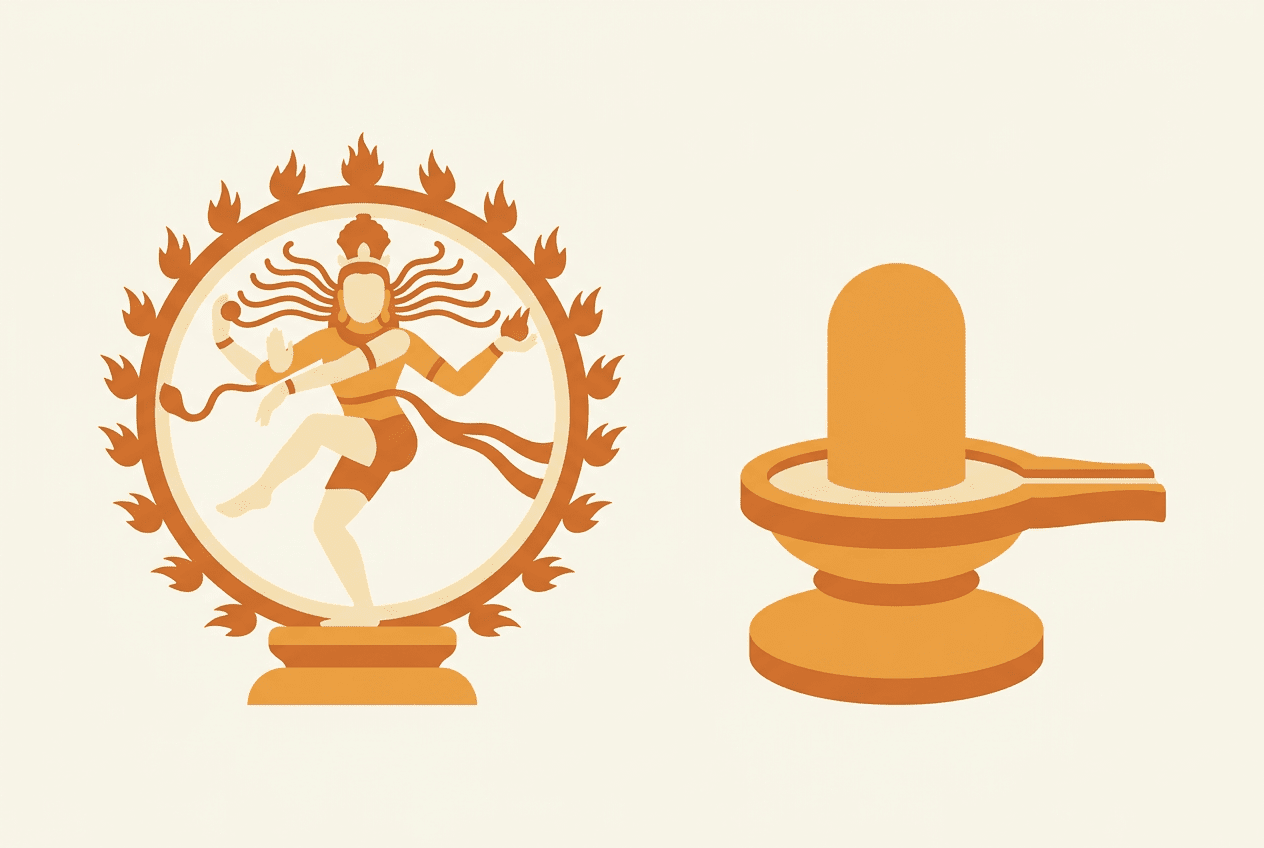
| Nataraja | Shiva dancing inside a ring of flames, a drum in one hand, fire in another | The cosmic dance of creation and destruction |
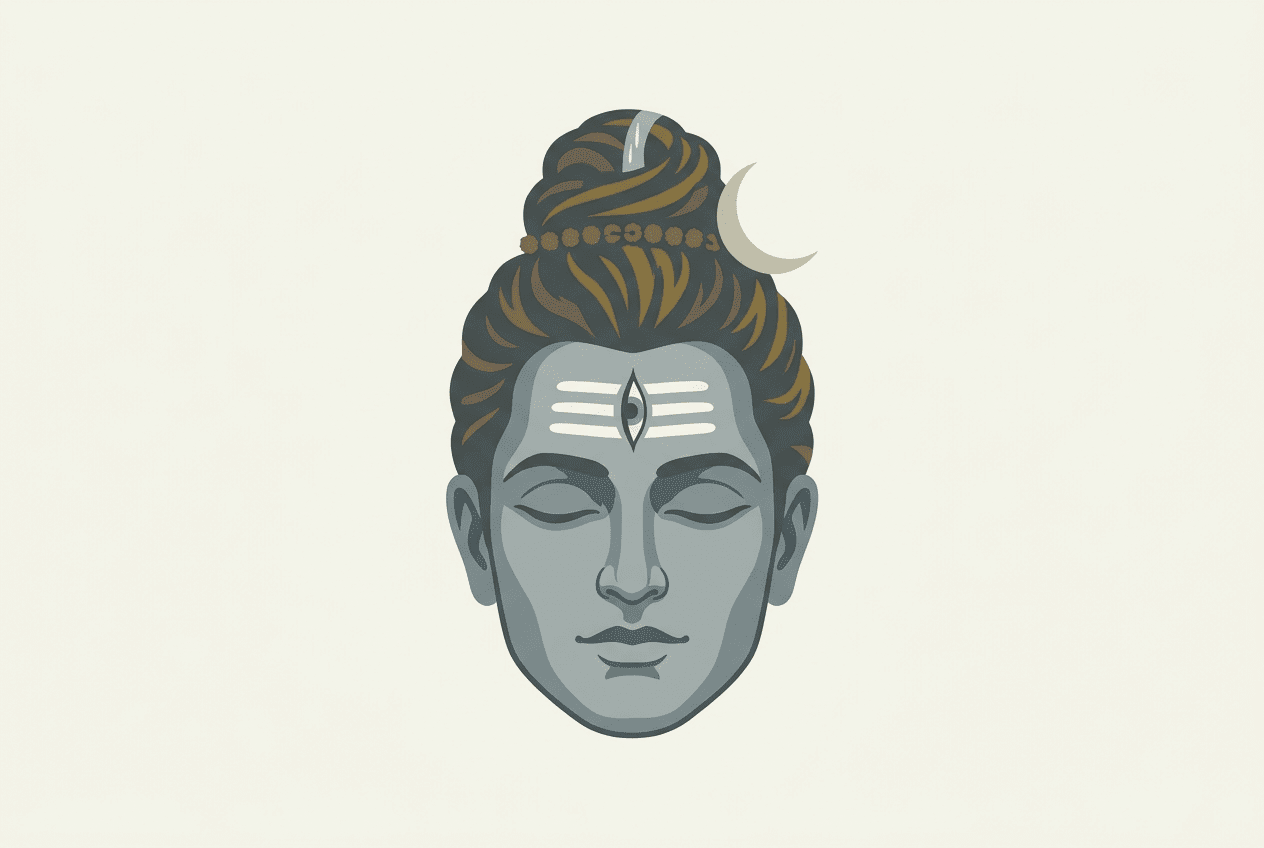
| Adiyogi | Shiva as a yogi, often a large statue or bust | Shiva as the first yogi |
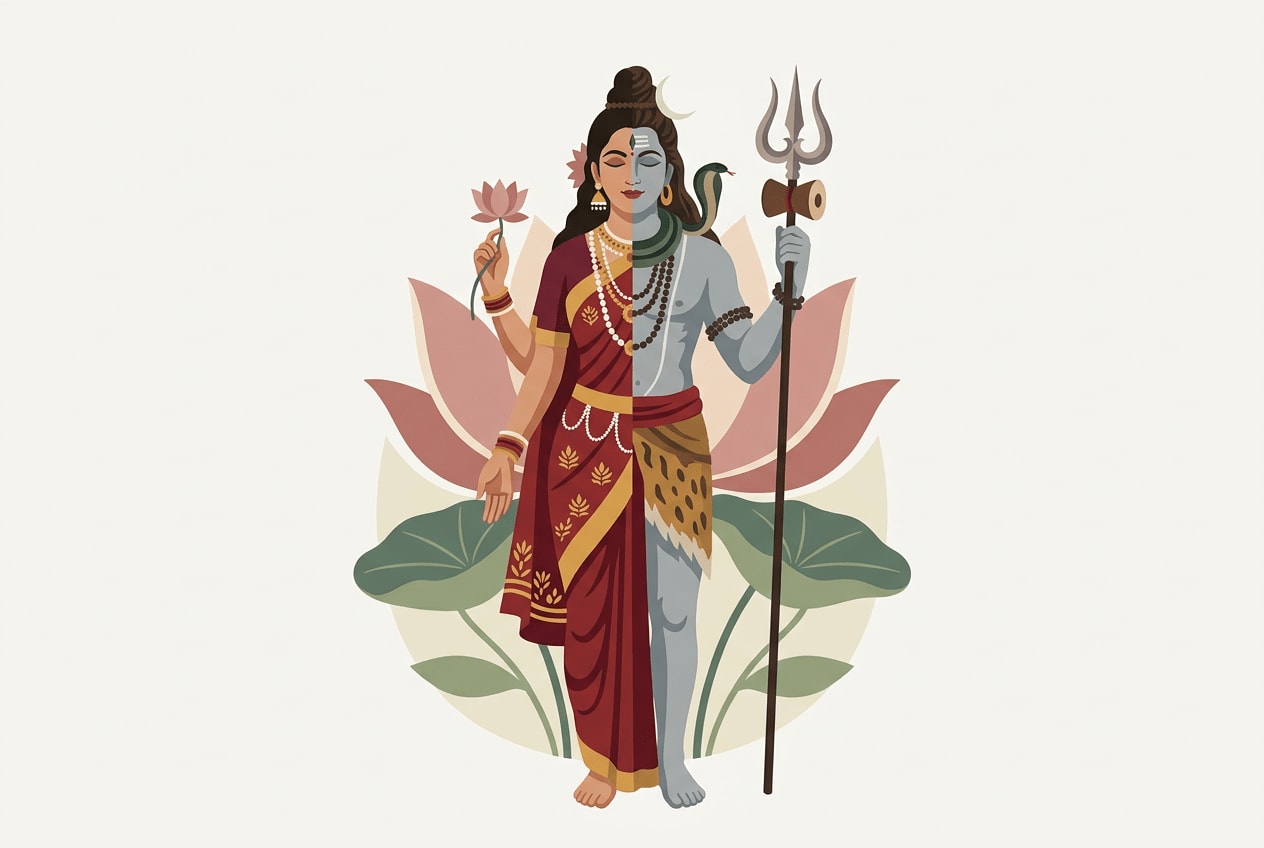
| Ardhanarishvara | One figure, split down the middle, half male and half female | Unity of opposites, Shiva and Parvati as inseparable |
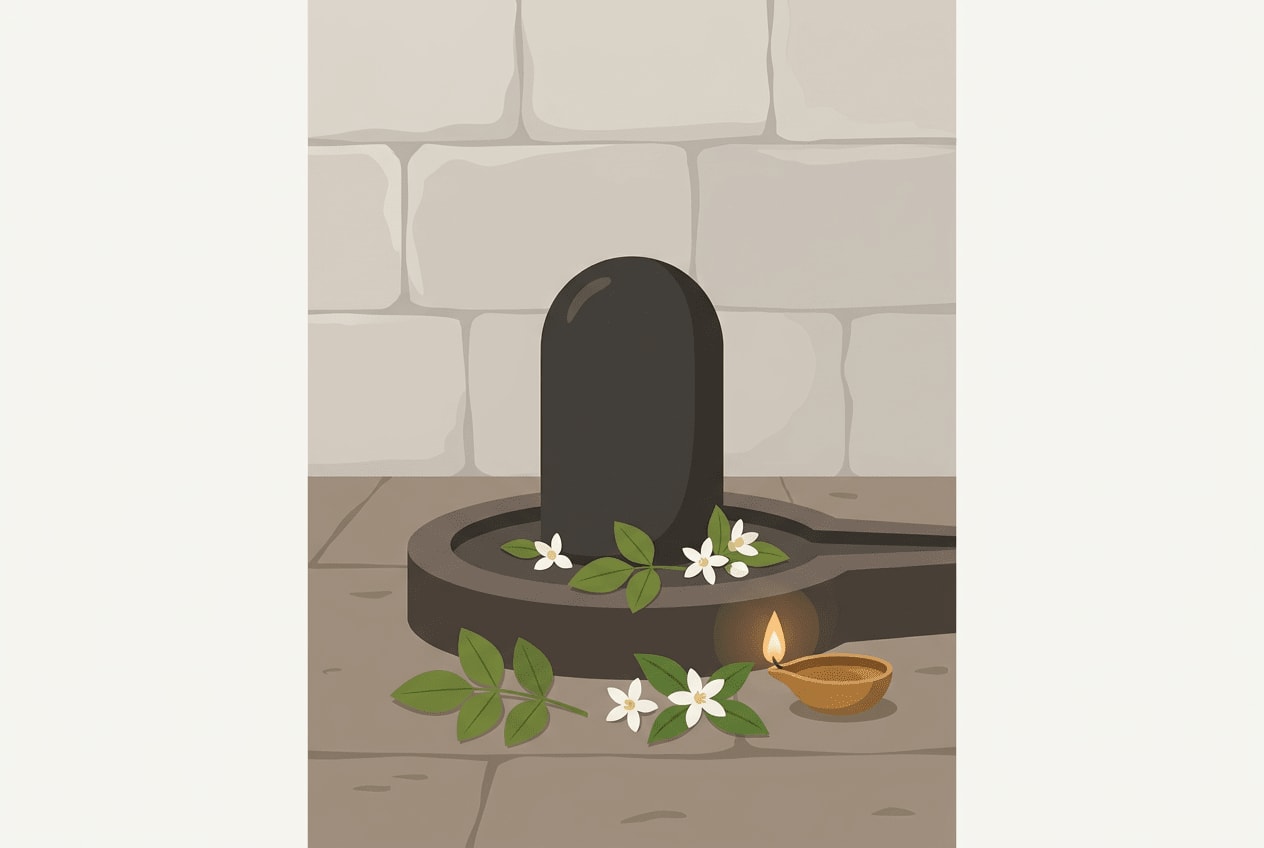
| Lingam | A plain rounded pillar, usually on a disc-shaped base | An abstract, formless representation of Shiva |
| Family scene | Shiva with Parvati and family | Not sourced here |
Source: Wikipedia, Nataraja, Ardhanarishvara, Lingam
A few details help you read them. In a Nataraja, the drum is the damaru, and the small figure under his foot is Apasmara, who stands for ignorance. Ardhanarishvara is not two gods stuck together: the article notes the form is in essence Shiva, shown by his bull and his more prominent arms. The lingam is aniconic, meaning it carries no face or body, and is usually set in a disc-shaped base that lets offerings drain away.
Adiyogi has a date worth knowing. The large Adiyogi bust at the Isha Yoga Center in Coimbatore was inaugurated on 24 February 2017, on Maha Shivaratri, according to Wikipedia's entry on the statue. A photo of a sculpture is a picture of someone else's work, which matters for the licence below.
For the family scene I have not sourced a reading, so I will not invent one.
Ten Lord Shiva images, by form and symbol
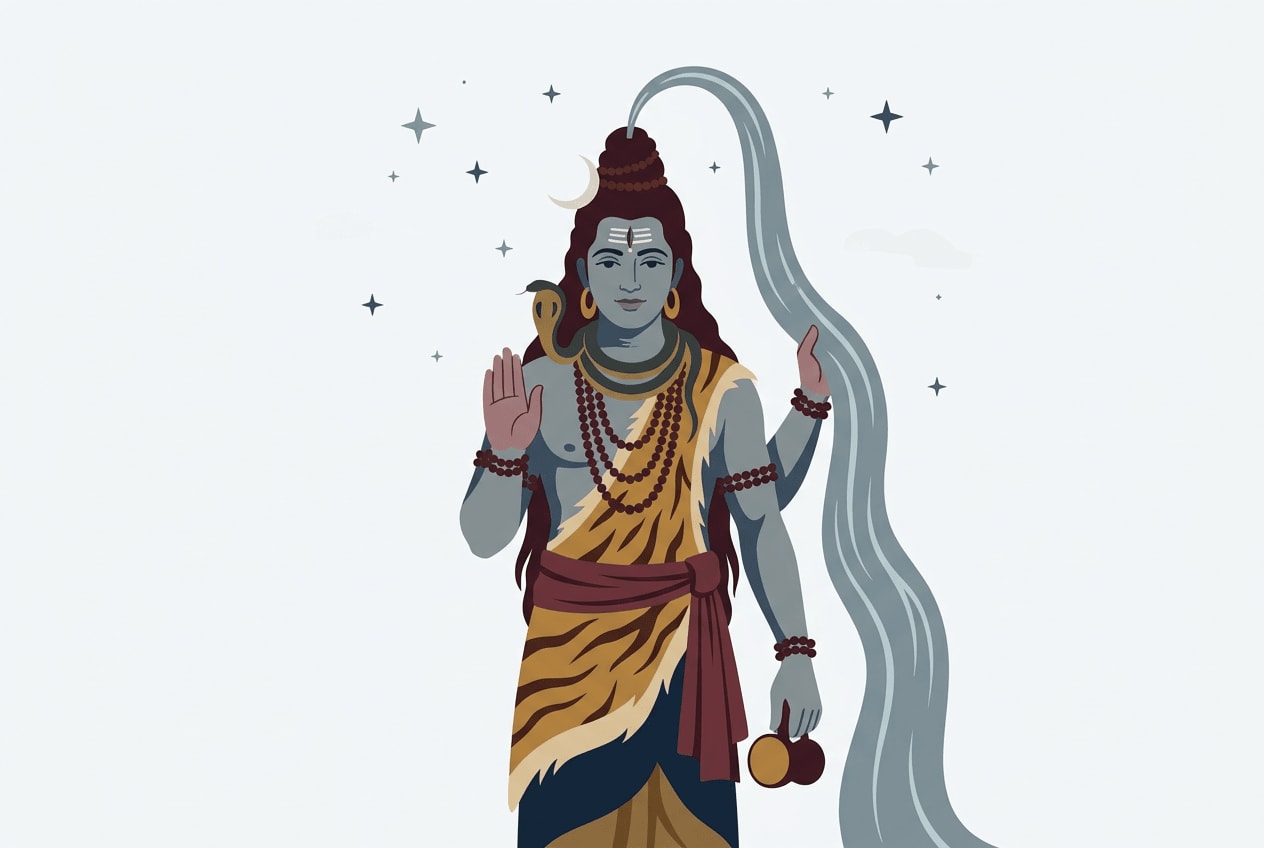
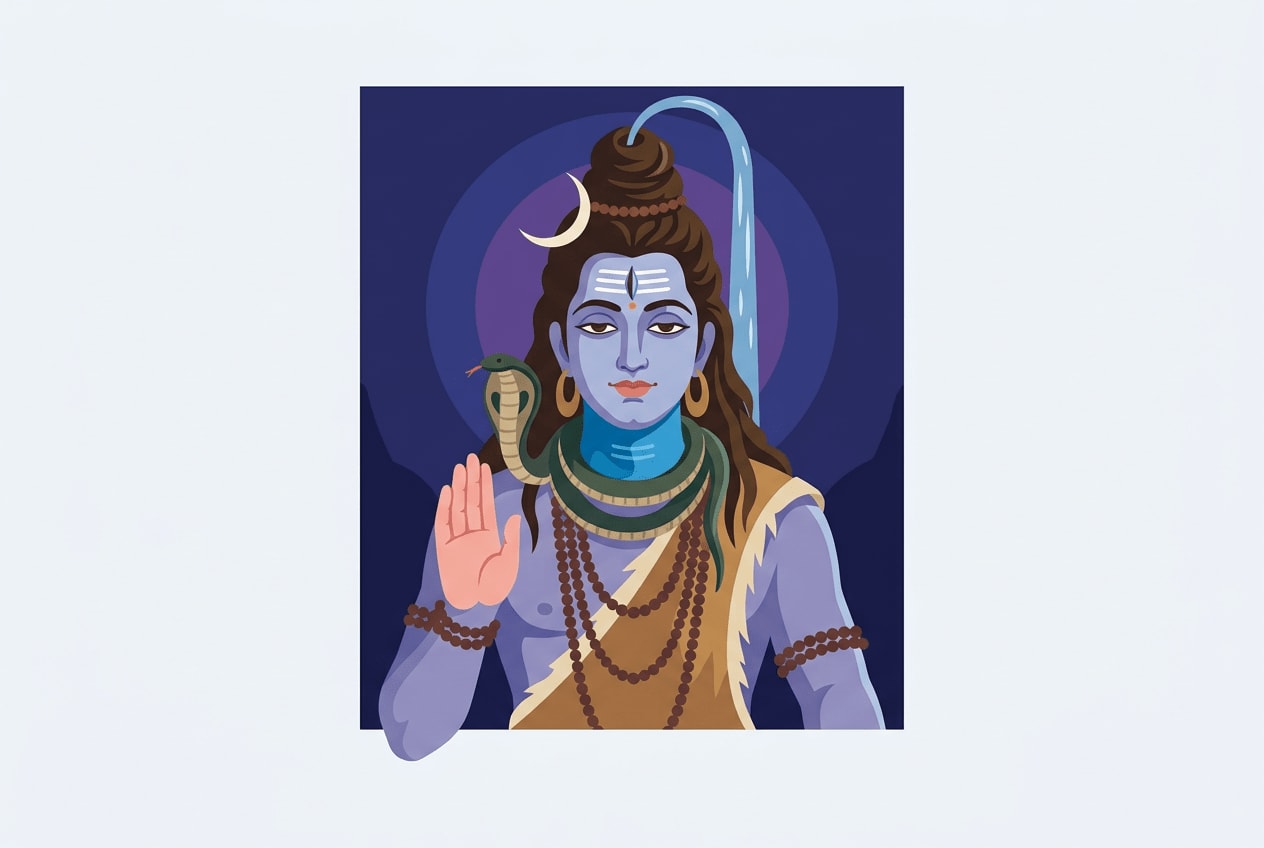
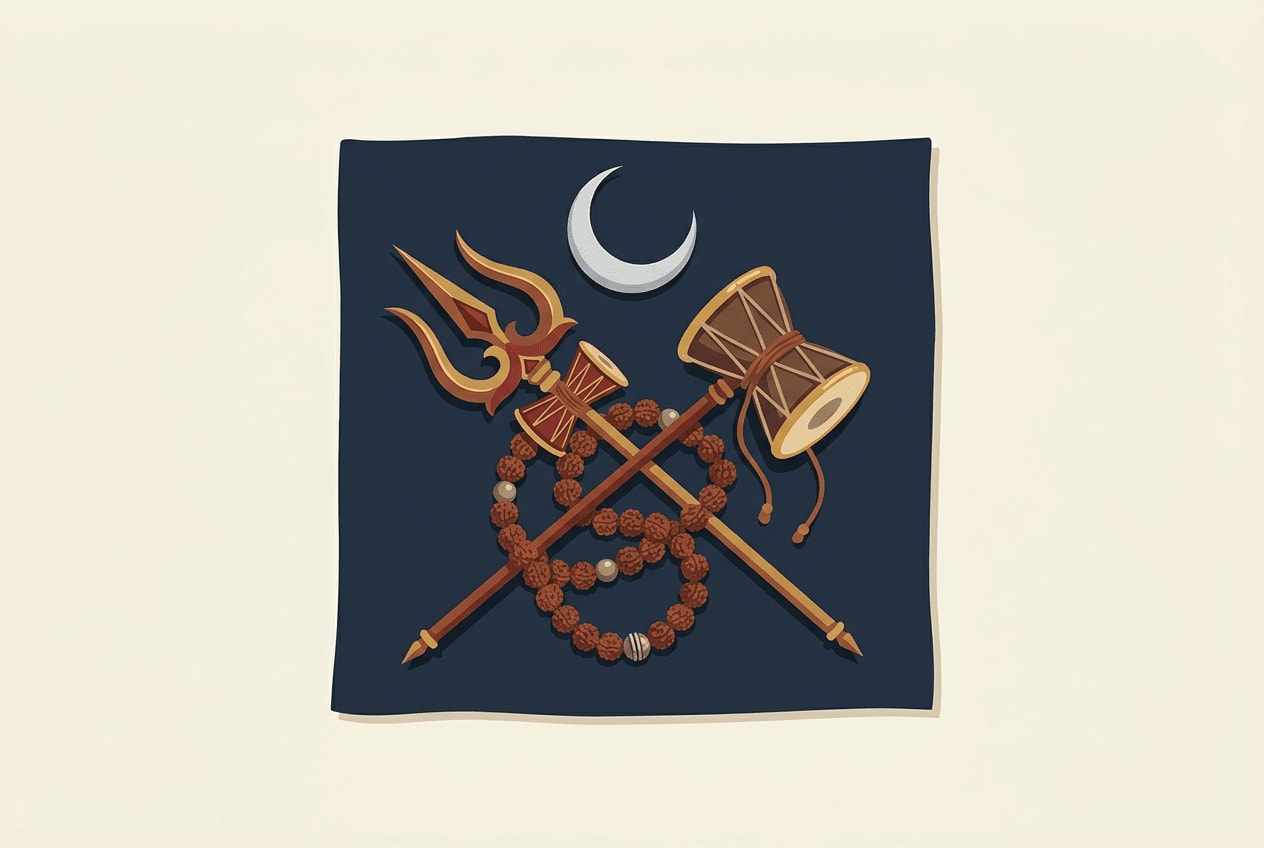
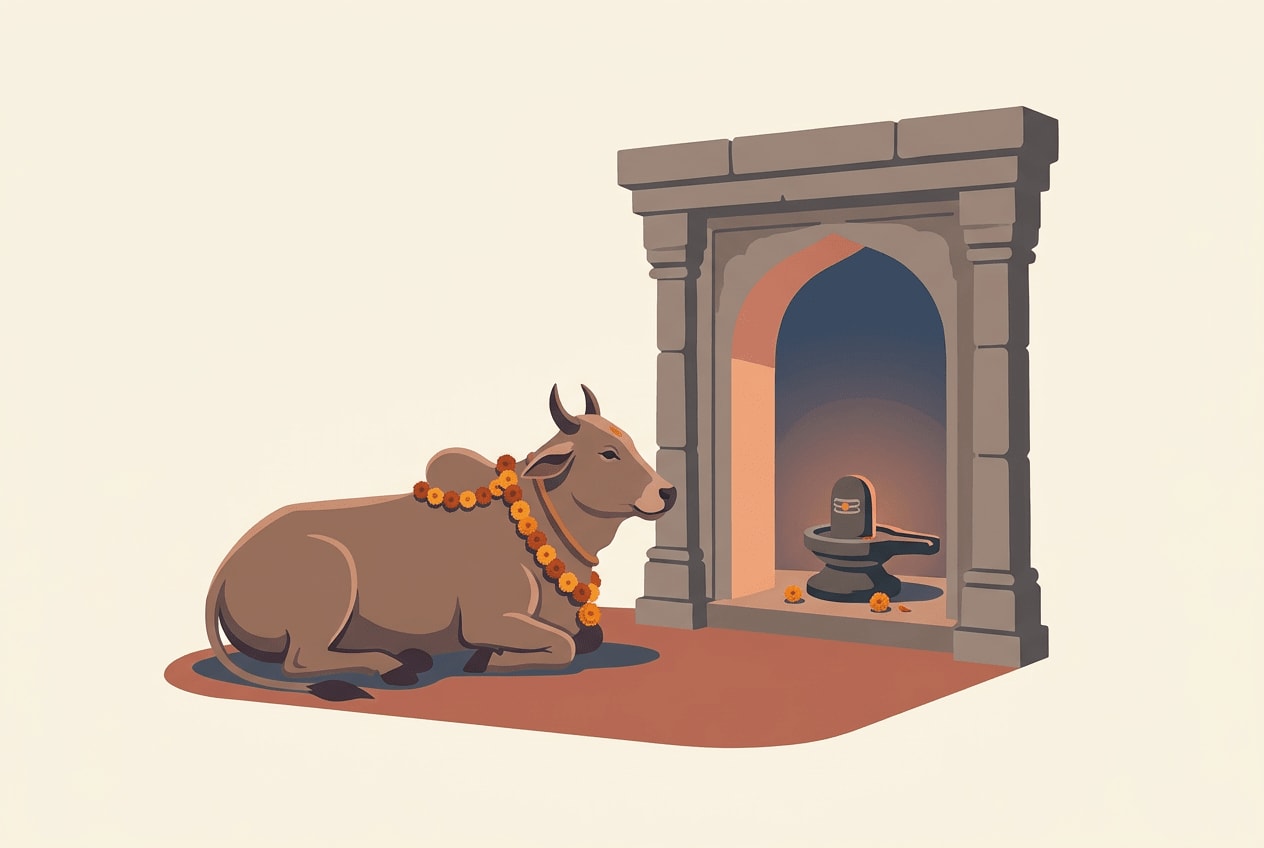
You asked for pictures, so here are ten. They are illustrations drawn for this page, not photos of a temple or someone else's sculpture, so the licence question below does not catch them. Each one follows the traditional way its form is shown.



Which licence lets you use it
Most people ask the same thing: can I post this? The honest answer depends on the site, and on whether the picture shows something that has its own rights, such as a sculpture, a temple or a person's face.
What three free photo libraries say, in their own licence pages
| Library | Credit needed? | Not allowed |
|---|---|---|
| Unsplash | No, appreciated | Selling images without significant modification |
| Pexels | No, appreciated | Selling unaltered copies; reposting on other wallpaper sites |
| Pixabay | No, appreciated | Selling or distributing content on its own; using it as a trademark or business name |
Source: Unsplash licence, Pexels licence, Pixabay licence summary
So a Shiva picture for your own phone, a Monday greeting or a family WhatsApp group is fine on all three. Printing it on mugs to sell is not, unless you change it a lot. Pixabay also warns that a picture may carry separate rights, for example trademark or privacy, so check the single image. Pinterest pins and random wallpaper sites state none of this, which is why I would not repost from them.
One more point, and it is mine, not the licences'. A free licence says what the law lets you do. It does not say what is respectful. Where a Shiva image ends up is a call for you to make, not a licence.
Sizes for phone, desktop and status
Phone lock screens and WhatsApp status are tall. Desktop is wide. That is the whole decision.
A phone wallpaper wants a vertical 9:16 picture. WhatsApp Status uses the same 9:16 shape, at 1080×1920 px, per one resizer guide; I found no figure from WhatsApp itself, so treat it as a good default, not a rule. A desktop wants 16:9, landscape.
You cannot turn a wide Nataraja into a tall one without losing a side. So pick the format before the picture. Check whether the figure sits in the middle, because cropping to 9:16 keeps only the centre.
Pictures of the twelve jyotirlingas
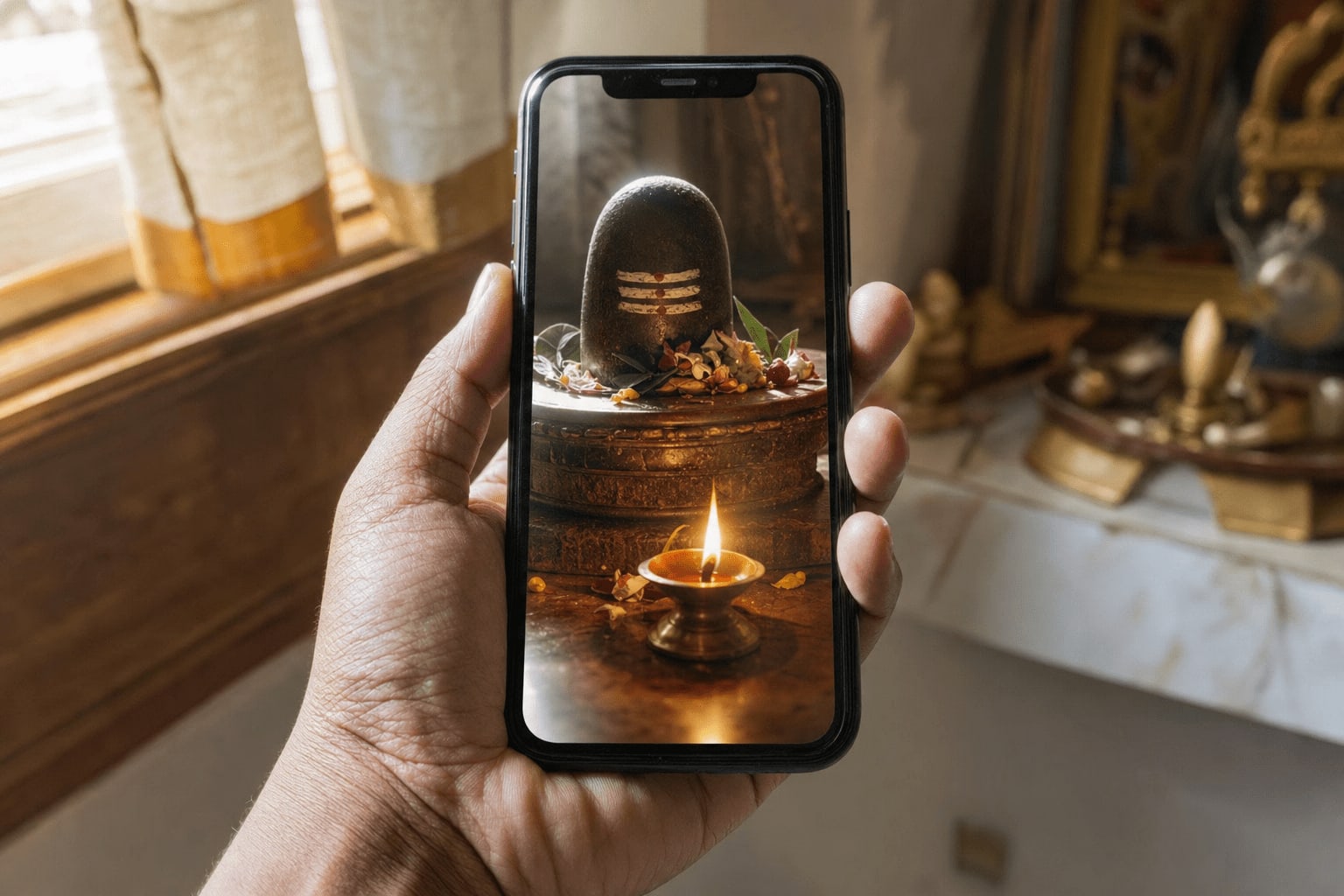
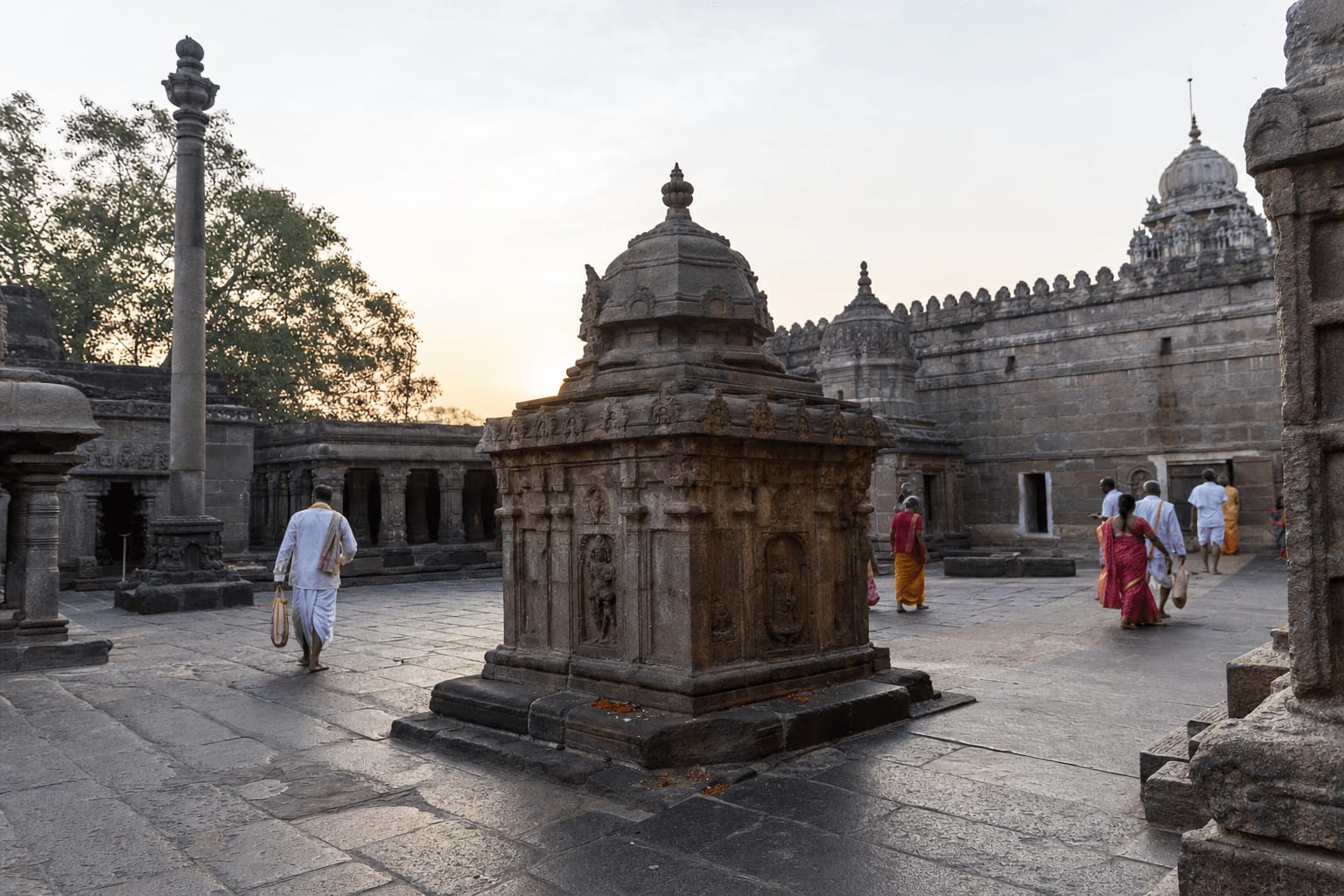
Searching for the shrines is a different problem. Most jyotirlinga photos show a lingam under flowers and cloth, or a temple spire, not a form like Nataraja. Each temple has its own rules, and I will not generalise one across all twelve. Read the page for the one you are visiting, for instance Somnath or Kedarnath. Timings there were last checked on 13 August 2026 and can change, so confirm on the official portal before you travel.
If you want a list or a map to print or forward, the downloads page has them, free, with nothing gated and nothing asking for your email.
Choosing, in three steps
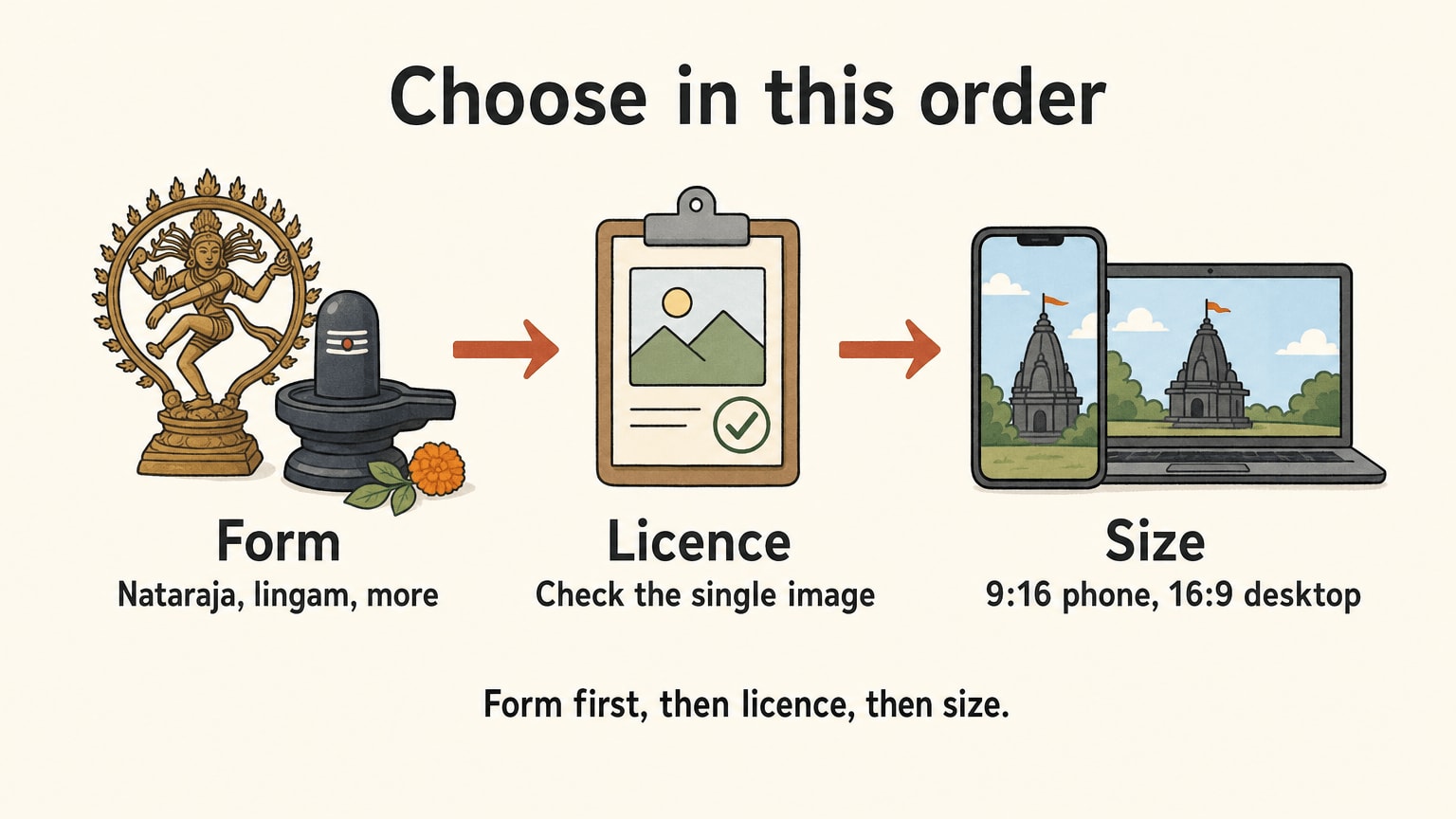
Form first, because it decides your search. Licence second, because it decides whether you can post. Size last, because it decides the crop.
Frequently asked questions
Where can I download Lord Shiva images for free?
Unsplash, Pexels and Pixabay all publish licences that allow free use without credit. Read the licence page, then the page of the single image. Each library says some pictures can carry separate rights.
Can I use Lord Shiva images on social media or commercially?
Social posts and personal wallpapers are within all three licences. Selling a picture unaltered, or printing it on merchandise, is not. If it is a business use, read the licence line for your case and keep a note of where the image came from.
Which size works best for a phone wallpaper or WhatsApp status?
Vertical 9:16. One resizer guide gives 1080×1920 px for WhatsApp Status. It is not a WhatsApp figure, so test one upload before you make a set.
What do the different forms of Shiva in images mean?
Nataraja is the cosmic dancer, Adiyogi the first yogi, Ardhanarishvara the half-male, half-female form, and the lingam an abstract form of Shiva. These are traditional readings, described by reference works, not facts of history.
Which Shiva images suit Maha Shivratri and Sawan greetings?
I found no rule, so it is your choice. Adiyogi has a link to Maha Shivaratri: the Coimbatore statue was inaugurated on that day in 2017. Festival dates change every year, so check a calendar.